Challenge C – Substantive Contribution #1
Open Music Theory
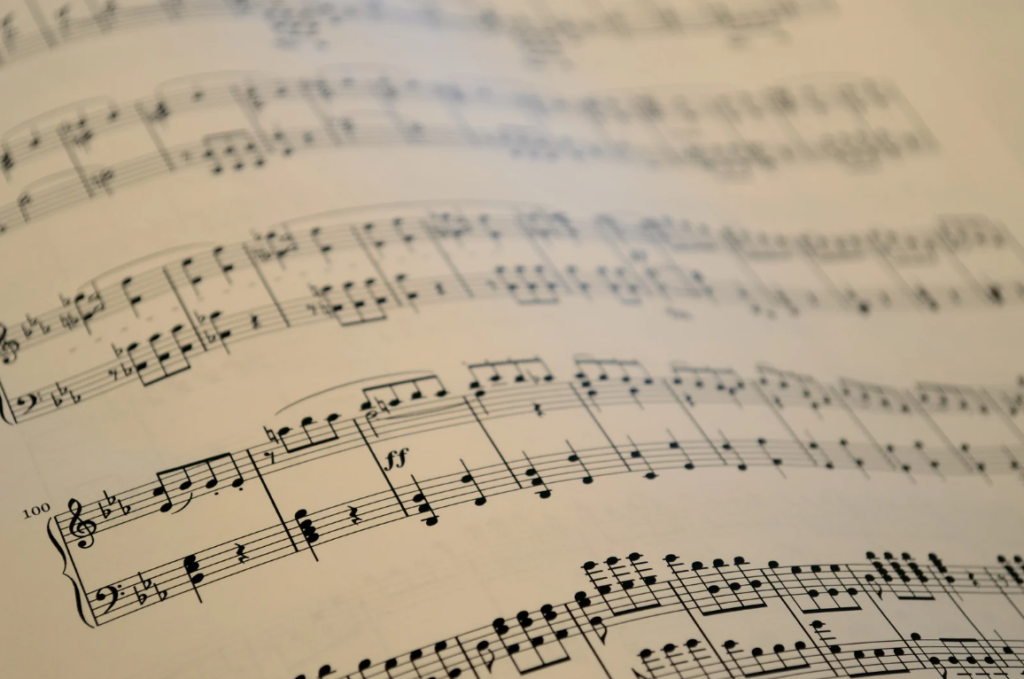
As somebody who is interested in music and composing, an open educational resource I find impactful is Open Music Theory. Open Music Theory is a free, online textbook. It is designed as a supplement for music theory classes at a college level and covers a variety of content such as musical theory fundamentals, harmony and voice leading, and jazz and popular music theory. The resource allows users to engage in the 5R activities of retaining, reusing, revising, remixing, and redistributing the material. Open Music Theory is highly accessible because it is available online for free and can be downloaded and converted into different file types. Its open license also lets instructors adapt the material to meet diverse learner needs, including simplifying language, adding alternative examples, removing or adding text, images, etc.
The Open Music Theory resource uses the ICAP framework, which outlines four modes of engagement, passive, active, constructive, and interactive engagement. Each mode represents deeper learning and increased cognitive engagement. Learners may start with passive learning as they read a chapter or section but can quickly move to active learning by completing written exercises or applying concepts to their own compositions or pieces. Constructive engagement can occur when the learners create original examples that apply theoretical concepts, and interactive engagement can occur if they discuss and collaborate with their peers and revise or add to the resource. Overall, Open Music Theory demonstrates how an open educational resource can support active, constructive, and collaborative learning while remaining accessible and adaptable for diverse learners.
Hey Emma! I found this to be a very thoughtful reflection. I really liked how you described Open Music Theory as being very adaptable for a diverse range of learners. This is important as it allows learners to learn at their own pace, in this case by simplifying language, adding alternative examples, or removing/adding text/images! This reflection made me want to try out Open Music Theory. Great job!
Hey Emma, I loved reading your post about the Open Music Theory OER! I think it’s such a cool resource and it was so easy to access each section, especially with how it supports both creativity and learning at the same time. I can see how it connects to the ICAP framework because it definitely makes a lot of sense how a learner can digest material from just reading about theory to actually applying it in their own composition writing. I used to play the bass and ,like Isaac, I also wish I knew about this when I was younger. Moreover, I think that it’s great that you pointed out how the material can be used by different types of learners and adapt to different teaching styles. Overall, this was a really unique website and I’m glad I read your post about it so even curious people like, can look through it!